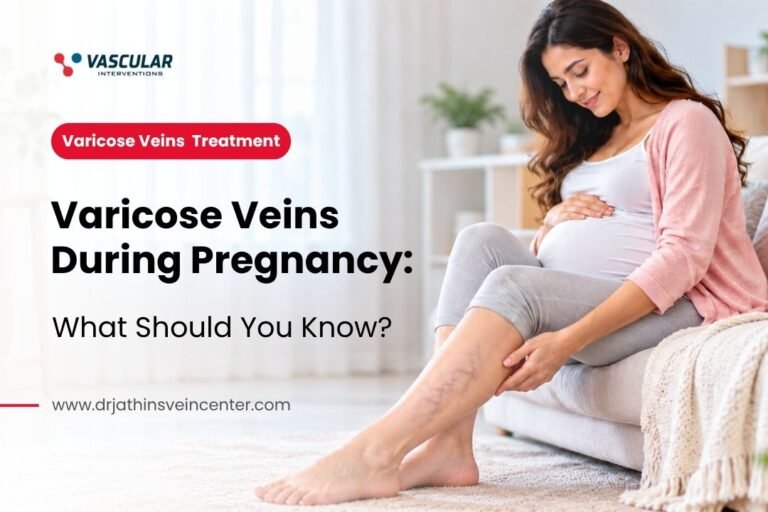


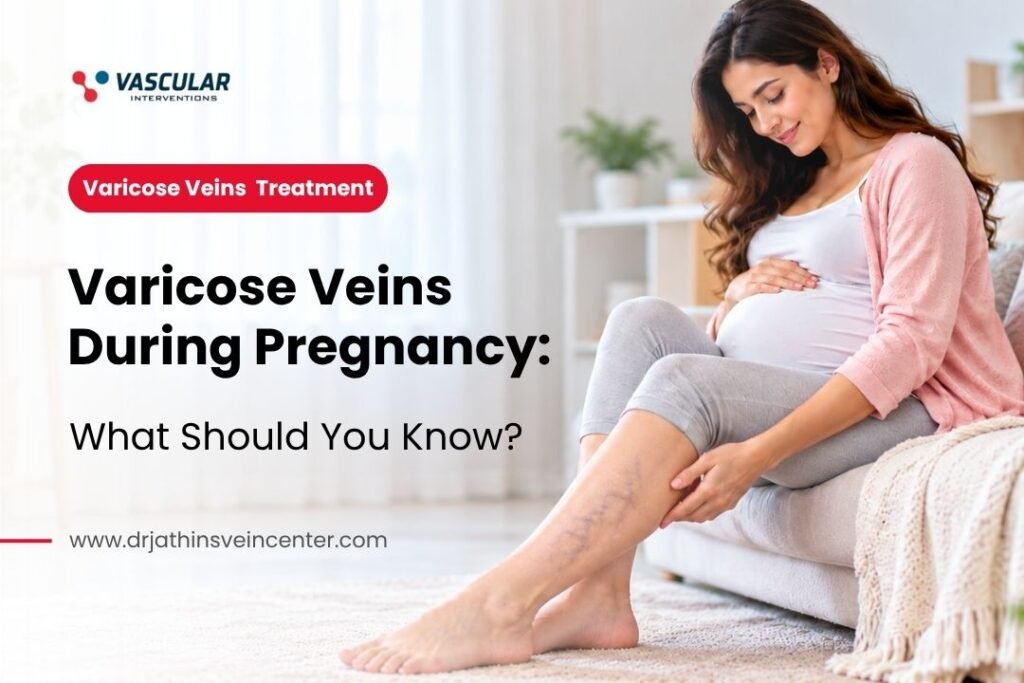
Pregnancy brings many changes to the body, and some women notice enlarged, twisted or more visible veins in their legs as pregnancy progresses. These varicose veins during pregnancy can cause aching, heaviness, swelling or itching, although some women may have visible veins without significant discomfort.
For women looking for varicose veins treatment in Mumbai, understanding why these veins develop and what can be done to manage symptoms can make the situation less worrying. Pregnancy-related varicose veins are common and often improve after delivery, but certain symptoms should still be assessed by a doctor.
In this guide, we will explain why varicose veins develop during pregnancy, what they may look and feel like, how they are evaluated, ways to relieve discomfort, and when medical attention may be necessary.
Why Do Varicose Veins Develop During Pregnancy?
Several changes take place in the body during pregnancy that can make varicose veins more likely. Your blood volume increases, the growing uterus can put pressure on veins in the pelvis, and hormonal changes can affect the way veins function.
These changes can make it harder for blood to return efficiently from the legs toward the heart. As blood collects in the veins, they may become enlarged and more noticeable.
Increased Blood Volume During Pregnancy
During pregnancy, the body produces more blood to support the growing baby. This increased blood flow is an important part of a healthy pregnancy, but it also means that the veins have to handle a greater volume of blood.
The increased volume can contribute to greater pressure within the veins, particularly when combined with other pregnancy-related changes.
Pressure From the Growing Uterus
As the uterus grows, it can put pressure on veins in the pelvis. This may slow the return of blood from the lower body toward the heart.
When blood does not move upward as efficiently, it can pool in the veins of the legs. This may contribute to the development or worsening of varicose veins.
Hormonal Changes
Pregnancy also involves significant hormonal changes. Hormones can affect the walls of blood vessels and may contribute to veins becoming more relaxed.
Along with increased blood volume and pressure from the growing uterus, these changes can make varicose veins more noticeable during pregnancy.
Family History and Other Risk Factors
Some women are more likely to develop varicose veins because of factors such as:
- A family history of varicose veins
- Previous pregnancies
- Spending long periods standing
- Spending long periods sitting
- Previous vein problems
- Increased pressure on the veins during pregnancy
Having one or more of these factors does not mean that you will definitely develop varicose veins. However, they may increase your likelihood of experiencing them.
What Do Varicose Veins During Pregnancy Look and Feel Like?
Varicose veins are usually enlarged, twisted or bulging veins that can be seen beneath the skin. They most commonly develop in the legs, although pregnancy can also cause varicose veins around the vulva.
Some women notice only a change in appearance, while others experience symptoms that become more noticeable later in the day or after prolonged standing.
Common Signs
Pregnancy-related varicose veins may appear as:
- Enlarged or twisted veins
- Blue or purple veins
- Veins that become more prominent as pregnancy progresses
- Bulging veins beneath the skin
The appearance can vary from one woman to another. The size or visibility of a vein does not always correspond to the severity of symptoms.
Common Symptoms
Some women may experience:
- Aching in the legs
- A feeling of heaviness
- Leg tiredness
- Swelling
- Itching
- Throbbing or discomfort
- Night-time cramps
Some patients have visible varicose veins with few symptoms, while others may experience considerable discomfort. If symptoms are affecting your sleep, mobility or daily activities, discuss them with your healthcare professional.
Are Varicose Veins During Pregnancy Dangerous?
In most cases, pregnancy-related varicose veins are uncomfortable rather than dangerous. They often improve after childbirth as pregnancy-related changes in circulation and pressure settle.
However, not every episode of leg pain or swelling during pregnancy should automatically be attributed to varicose veins. Pregnancy increases the risk of blood clots, so new or unusual symptoms deserve appropriate medical attention.
When Should You Contact a Doctor?
Speak with your doctor or pregnancy care team if you develop:
- Sudden or significant swelling
- New or severe leg pain
- Redness or warmth around a painful area
- A vein that becomes particularly tender or painful
- Significant skin changes
- Bleeding from a varicose vein
- Symptoms that are rapidly getting worse
Sudden swelling, especially when it affects one leg and is associated with pain, can require urgent assessment because a blood clot may need to be ruled out.
When Is Emergency Medical Attention Needed?
Do not assume that sudden, severe symptoms are simply part of having varicose veins.
Seek urgent medical attention for symptoms such as sudden one-sided leg swelling or significant pain, particularly if you also develop chest pain, difficulty breathing or other symptoms that concern you.
During pregnancy, it is better to have unusual symptoms assessed than to dismiss them as a normal part of pregnancy.
How Are Varicose Veins Diagnosed During Pregnancy?
Visible varicose veins can often be recognised during a physical examination. Your doctor may ask about your symptoms, when they started, whether they are getting worse, and whether you have previously experienced vein problems.
In many cases, the examination and medical history provide useful information. If there is concern about abnormal blood flow, a blood clot or another vein problem, further testing may be recommended.
Medical History and Physical Examination
During the consultation, your doctor may ask about:
- When you first noticed the veins
- Whether you have pain, swelling or heaviness
- Whether symptoms become worse after standing
- Previous pregnancies
- Previous vein treatment
- Family history of varicose veins
- Other relevant medical conditions
Your legs may also be examined for swelling, visible veins, skin changes and areas of tenderness.
Is an Ultrasound Needed?
Not every pregnant woman with visible varicose veins needs an ultrasound.
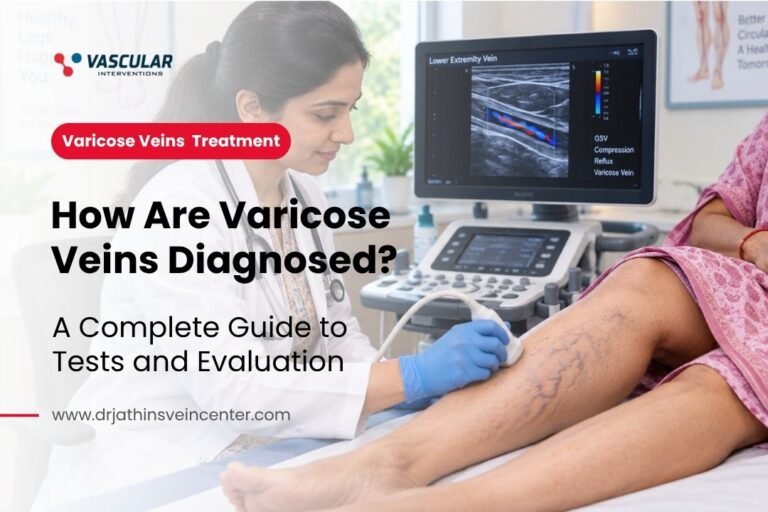
When additional information is required, a venous Doppler or duplex ultrasound can assess blood flow through the veins and help identify problems such as a blood clot or abnormal vein function. The test is non-invasive and uses sound waves.
Your doctor can determine whether an ultrasound is appropriate based on your symptoms and examination.
How Can You Relieve Varicose Veins During Pregnancy?
The main focus during pregnancy is usually symptom management and maintaining healthy circulation. Several simple measures may help reduce discomfort.
Avoid Standing or Sitting for Long Periods
Try to change position regularly rather than remaining in the same position for long periods.
If your work requires prolonged standing, take appropriate breaks when possible. If you spend much of the day sitting, get up and move around periodically.
Elevate Your Legs
Raising your legs when resting can help reduce discomfort and swelling.
You can sit with your feet elevated or rest with your legs raised for short periods throughout the day. This may be particularly helpful after spending a long time on your feet.
Stay Physically Active
Regular, pregnancy-appropriate movement can support circulation.
Walking and other activities recommended by your obstetric or healthcare team can be useful. If you have been advised to restrict physical activity because of your pregnancy, follow your healthcare professional’s recommendations.
Consider Compression Stockings
Compression stockings may help reduce symptoms associated with pregnancy-related varicose veins. They apply pressure to the legs and can support the return of blood toward the heart.
The NHS notes that compression stockings may ease symptoms, although they do not necessarily prevent varicose veins from developing.
Ask your doctor or healthcare professional which type is appropriate for you, particularly during pregnancy.
Sleep and Rest Comfortably
Resting with your legs slightly elevated may help with swelling and discomfort.
Your pregnancy care team can also advise you about comfortable and appropriate sleeping positions based on your stage of pregnancy and individual health.
Can You Prevent Varicose Veins During Pregnancy?
There is no guaranteed way to prevent pregnancy-related varicose veins. Pregnancy itself causes changes in blood volume, hormones and pressure on the veins.
However, some habits may help support circulation and reduce discomfort:
- Stay physically active when medically appropriate
- Avoid standing for long periods
- Avoid sitting for prolonged periods
- Elevate your legs when resting
- Follow your pregnancy care team’s advice about healthy weight gain
- Consider compression stockings if recommended
These measures may help manage symptoms, but they cannot guarantee that varicose veins will not develop.
Can Varicose Veins Get Worse During Pregnancy?
Varicose veins may become more noticeable as pregnancy progresses. The increasing size of the uterus, changes in blood volume and other pregnancy-related changes can contribute to greater pressure on the veins.
Symptoms can also fluctuate. Some women notice more aching or swelling after standing for several hours, while others may have relatively mild symptoms.
If you already had varicose veins before pregnancy, they may become more prominent during pregnancy.
Do Varicose Veins Go Away After Pregnancy?
Pregnancy-related varicose veins often improve after delivery. As the body gradually returns to its pre-pregnancy state, pressure on the veins decreases and circulation changes.
However, not every varicose vein disappears completely. Some veins may remain, particularly when there was an underlying vein problem before pregnancy.
The NHS notes that varicose veins commonly improve after birth, while persistent veins may require further assessment if they continue to cause symptoms.
When Should Persistent Varicose Veins Be Evaluated?
Consider speaking with a vein specialist if the veins remain prominent after pregnancy and are associated with:
- Persistent pain or aching
- Swelling
- Skin changes
- Itching
- A feeling of heaviness
- Difficulty with daily activities
A post-pregnancy evaluation can help determine whether there is an underlying problem with the veins and whether treatment may be appropriate.
Can Varicose Veins Be Treated During Pregnancy?
Treatment decisions during pregnancy are different from those made after pregnancy.
For many women, the focus is on managing symptoms with measures such as movement, leg elevation and appropriate compression rather than elective procedures.
Procedures for varicose veins are generally not the first approach during pregnancy. Sclerotherapy is usually postponed during pregnancy and breastfeeding.
If you are considering treatment, discuss your symptoms with your obstetric care team and a vein specialist. The appropriate approach depends on your individual circumstances.
What Happens If Varicose Veins Remain After Pregnancy?
If varicose veins remain after delivery, your doctor can assess whether they are simply persistent visible veins or whether an underlying vein problem is contributing to your symptoms.
A clinical examination may be followed by a duplex ultrasound when appropriate. Ultrasound can help assess blood flow and identify abnormal vein function.
If treatment is required after pregnancy, the options depend on the veins involved, the severity of symptoms and the findings of the evaluation.
This is where a consultation with a vascular surgeon in Mumbai may be useful if persistent varicose veins are causing discomfort or affecting your quality of life.
Varicose Veins During Pregnancy: When Should You See a Vein Specialist?
You do not necessarily need to see a vein specialist simply because you notice a few visible veins during pregnancy.
However, professional evaluation may be appropriate if you have:
- Persistent or worsening symptoms
- Significant leg swelling
- Ongoing or severe pain
- Skin changes
- Bleeding from a varicose vein
- Symptoms that interfere with daily activities
- Varicose veins that remain troublesome after pregnancy
- Concerns about an underlying vein problem
A specialist can assess your symptoms and determine whether further investigation or treatment is appropriate.
Varicose Veins During Pregnancy: Key Takeaways
- Pregnancy can increase the likelihood of developing varicose veins.
- Increased blood volume, hormonal changes and pressure from the growing uterus can contribute.
- Varicose veins may cause aching, heaviness, swelling, itching or discomfort.
- Regular movement, leg elevation and avoiding prolonged standing or sitting may help manage symptoms.
- Compression stockings may provide symptom relief when appropriately recommended.
- Most pregnancy-related varicose veins improve after delivery, although some may persist.
- Sudden or significant swelling, especially in one leg, or new severe pain should be medically assessed.
- Persistent or troublesome veins after pregnancy can be evaluated by a vein specialist.
Frequently Asked Questions
Are varicose veins during pregnancy normal?
Varicose veins are common during pregnancy. Changes in blood volume, hormones and pressure from the growing uterus can contribute to enlarged veins in the legs. They can be uncomfortable but often improve after delivery.
Why do I get varicose veins while pregnant?
Pregnancy increases blood volume and can place additional pressure on the veins that carry blood from the legs back toward the heart. Hormonal changes can also affect the veins, making varicose veins more likely to develop or become more noticeable.
Are varicose veins during pregnancy dangerous?
Most pregnancy-related varicose veins are not dangerous, although they can cause discomfort. However, sudden one-sided swelling, significant pain or other unusual symptoms should not automatically be attributed to varicose veins and may require prompt medical assessment.
How can I relieve varicose veins during pregnancy?
Changing position regularly, avoiding prolonged standing or sitting, staying active when medically appropriate, elevating your legs and using compression stockings when recommended may help relieve symptoms.
Do varicose veins go away after pregnancy?
Many pregnancy-related varicose veins improve after delivery. However, some may remain, particularly if there was an underlying vein problem. Persistent or symptomatic veins can be evaluated after pregnancy.
When should I see a doctor for pregnancy varicose veins?
Talk to your doctor if you develop significant or worsening pain, sudden swelling, redness or warmth, a particularly tender vein, skin changes or bleeding. Sudden swelling and pain in one leg may require urgent assessment.