


Venaseal Treatment in Mumbai
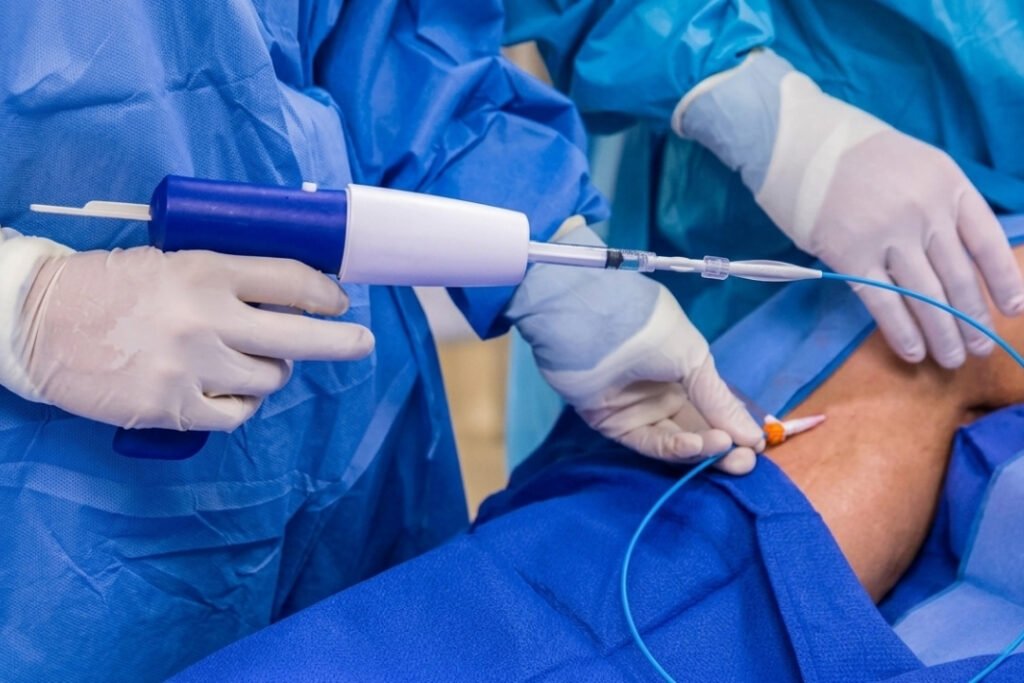
Venaseal Treatment in Mumbai
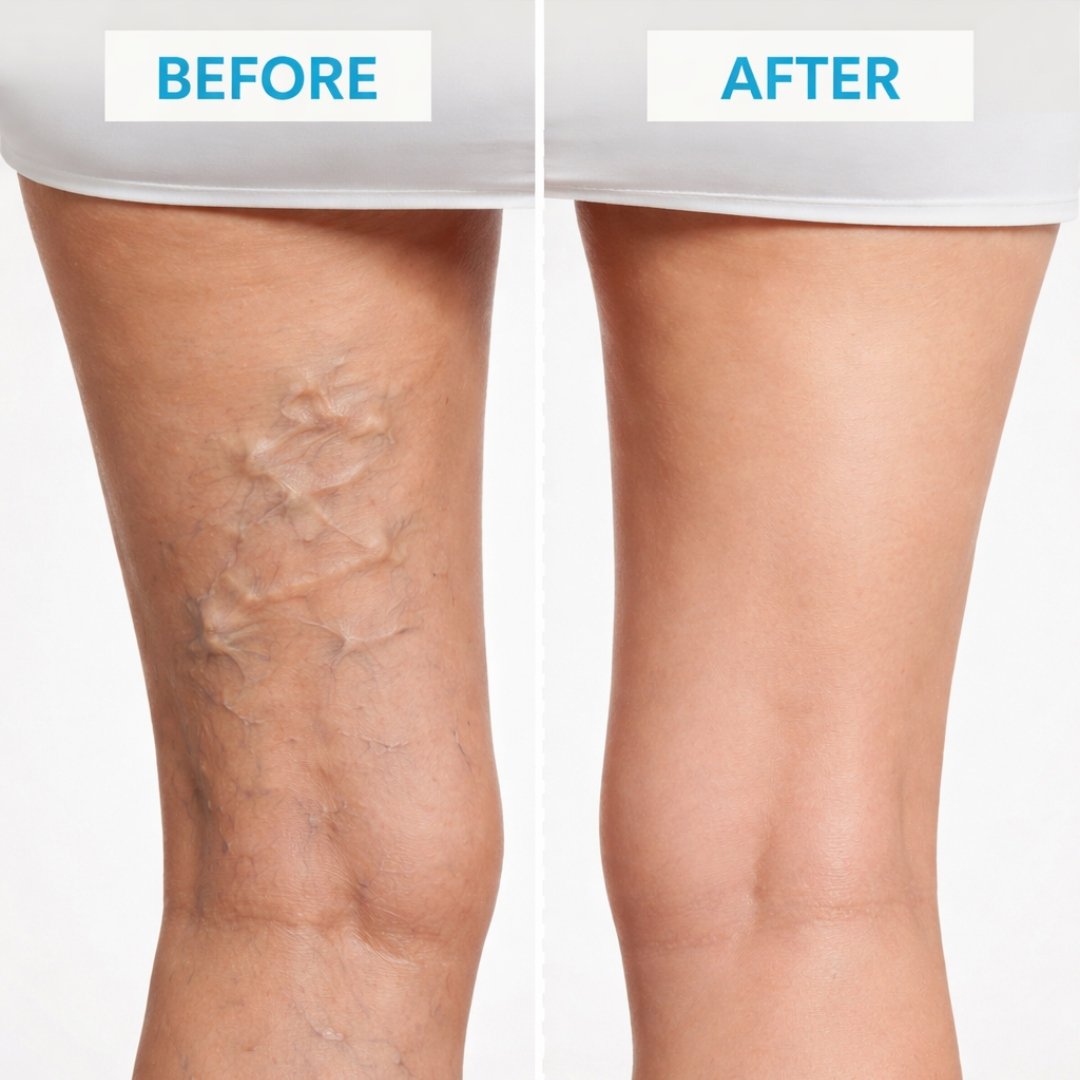
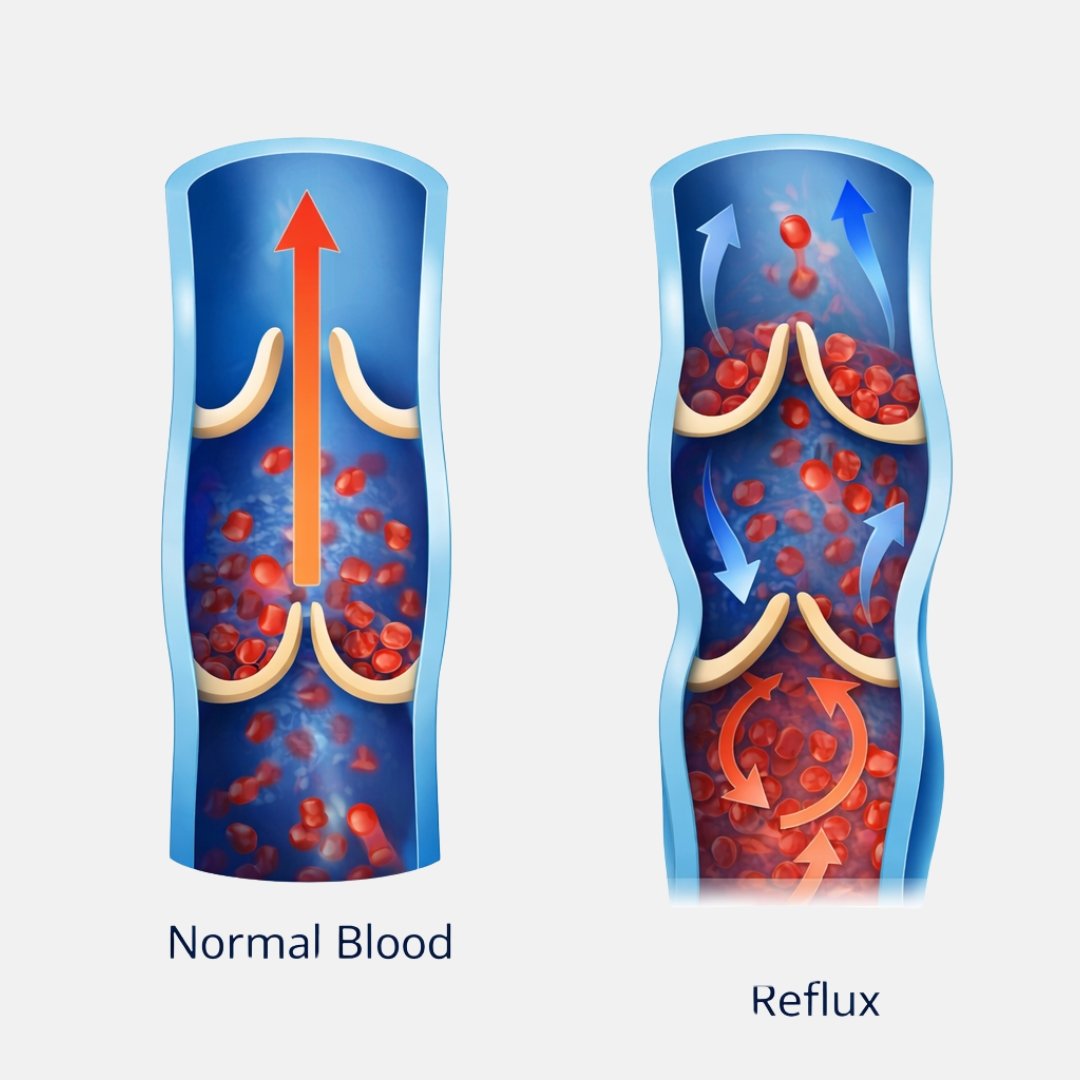
What Are Varicose Veins and Why Do They Develop?
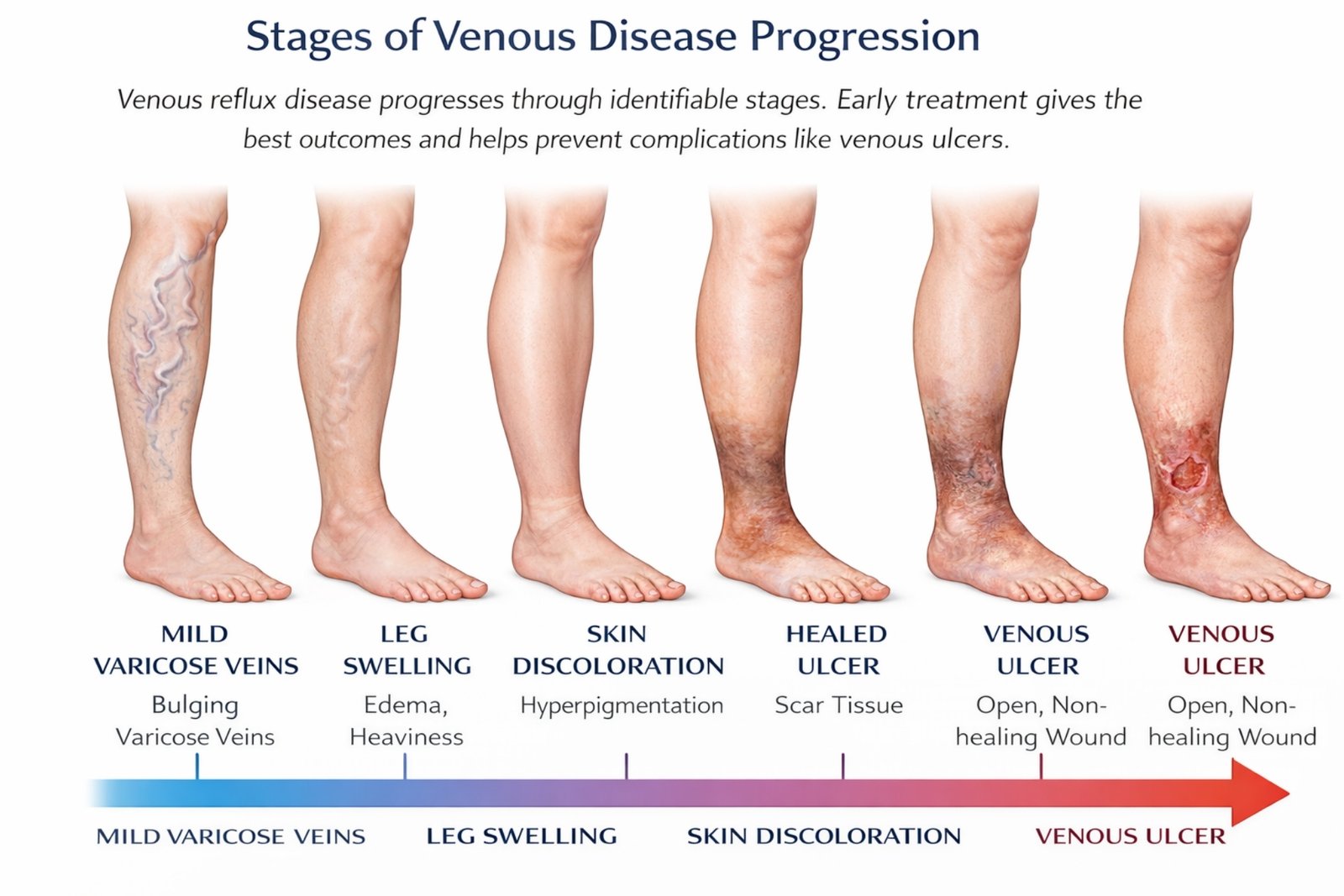
- Aching, heaviness, or tiredness in the legs, especially toward the end of the day
- Swelling around the ankles
- Itching or a burning sensation over the affected vein
- Skin discolouration or thickening near the ankle
- Leg cramps, particularly at night
- In severe, long-standing cases, venous ulcers
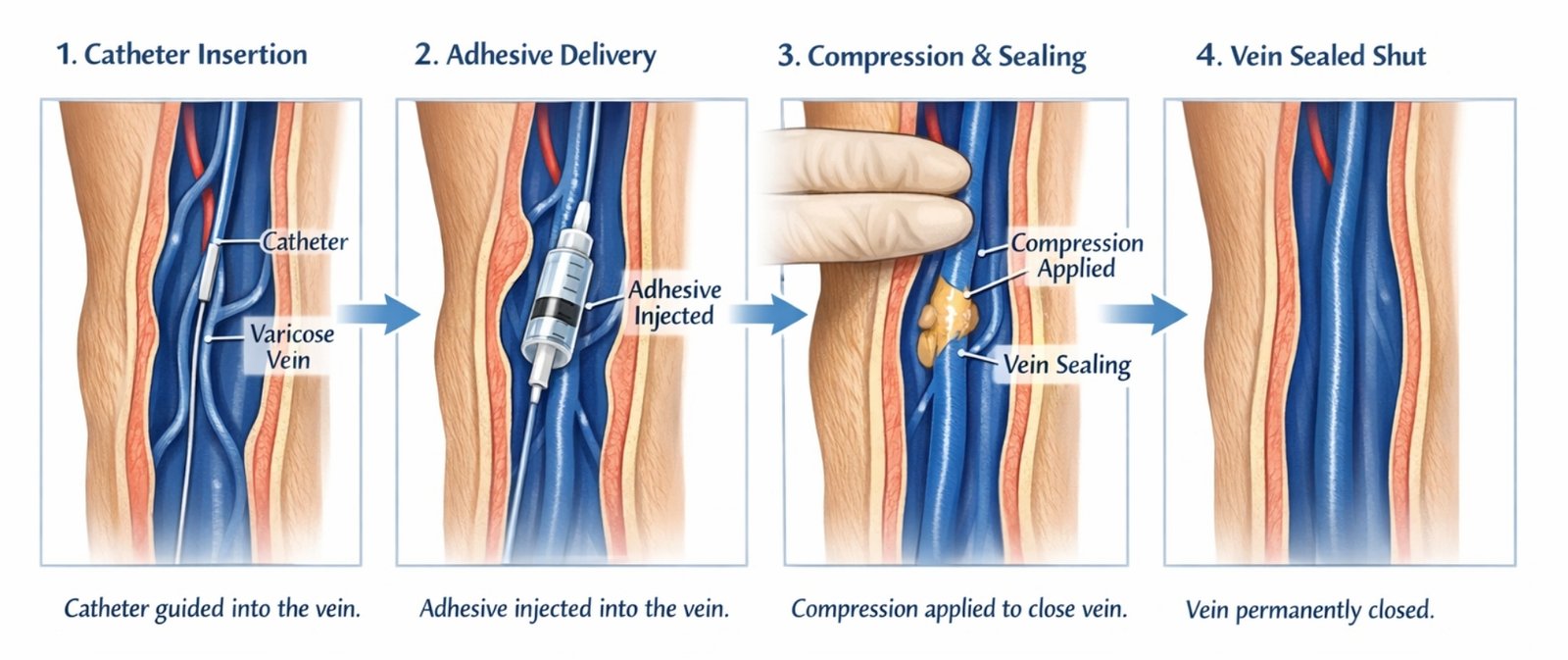
What Is VenaSeal?
How Is VenaSeal Different from Other Varicose Vein Treatments?
- VenaSeal vs. Laser Treatment (EVLT) Laser treatment uses heat to damage the inner lining of the vein and cause it to collapse. It works well but requires tumescent anaesthesia through multiple needle injections along the length of the vein. VenaSeal achieves the same outcome, closing the vein permanently, but with just one needle stick and no heat-related discomfort.
- VenaSeal vs. Radiofrequency Ablation (RFA) RFA also uses heat but through radiofrequency energy instead of laser. Again, effective, but with the same need for tumescent anaesthesia. VenaSeal sidesteps all of that.
- VenaSeal vs. Sclerotherapy Sclerotherapy involves injecting a chemical solution into the vein to irritate and close it. It is typically used for smaller veins and spider veins rather than larger truncal varicose veins. VenaSeal is better suited to treating the main diseased vein responsible for the varicose veins you see on the surface.
- VenaSeal vs. Surgical Stripping Traditional vein stripping surgery involves physically removing the vein from the leg under general anaesthesia, with a recovery period of several weeks. VenaSeal is not surgery. There are no incisions, no stitches, and no general anaesthesia. Recovery is same-day.
| Criteria | VenaSeal | Laser (EVLT) | RFA | Surgery |
|---|---|---|---|---|
| Anaesthesia | Usually local or minimal | Local (tumescent) | Local (tumescent) | Local or General |
| Needles | Very few / minimal | Multiple injections for tumescent anaesthesia | Multiple injections for tumescent anaesthesia | Multiple |
| Recovery | Very quick (often same-day normal activity) | Quick | Quick | Longer |
| Compression Stockings | Usually not required | Required ~1–2 weeks | Required ~1–2 weeks | Often required |
How the VenaSeal Procedure Works, Step by Step
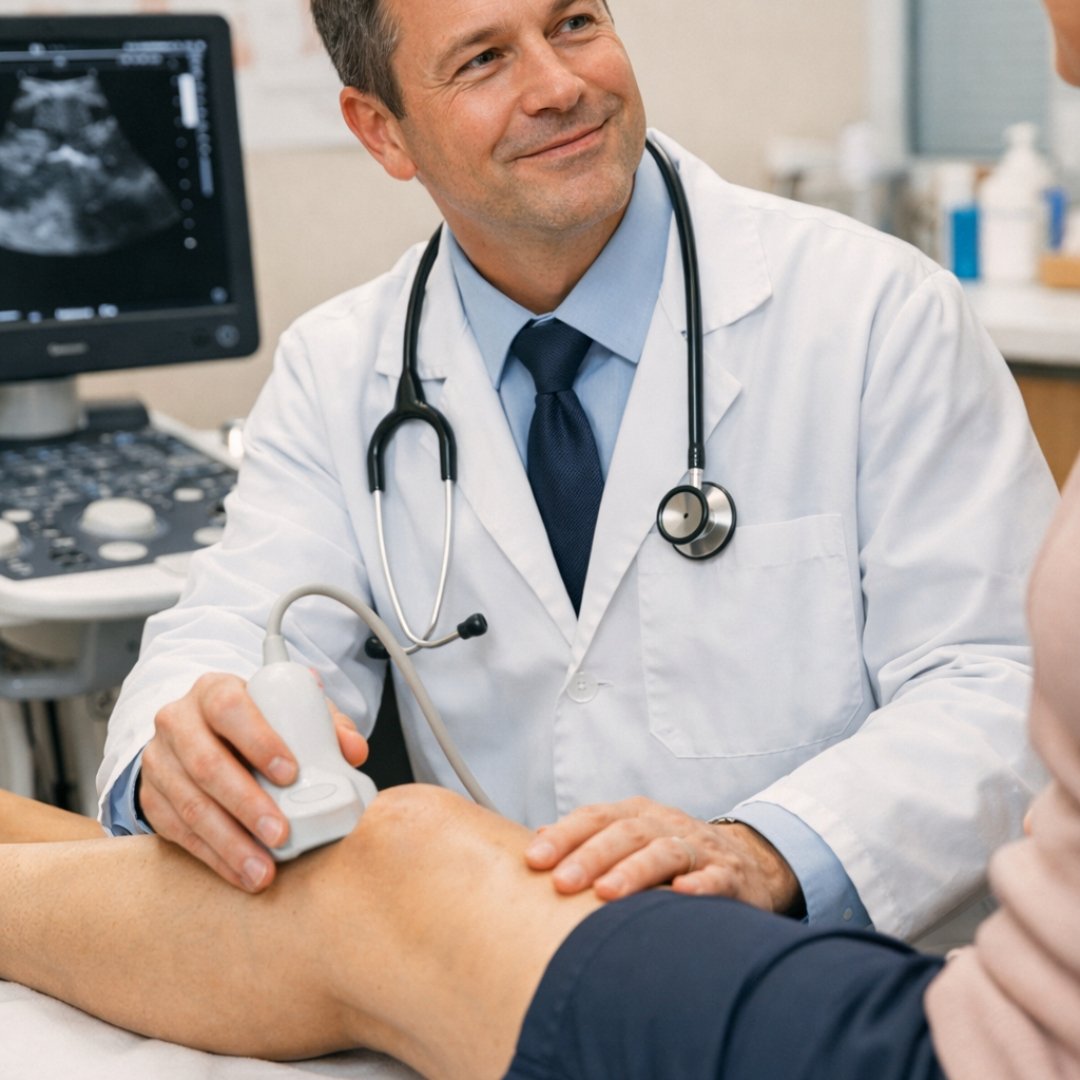
- Step 1: Ultrasound mapping Before anything else, we perform a detailed Doppler ultrasound of your leg. This maps out exactly where the venous reflux is occurring, how far it extends, and which veins are the primary source of the problem. This planning step is important because it guides everything that follows.
- Step 2: Preparing the access site A small amount of local anaesthetic is injected at a single entry point, usually just below the knee or in the lower thigh. This is the only needle stick involved in the entire procedure.
- Step 3: Inserting the catheter A thin, flexible catheter is guided through the numbed entry point into the diseased vein. Ultrasound is used throughout this step to ensure precise positioning. The catheter is advanced to the highest point of reflux in the vein.
- Step 4: Injecting the adhesive VenaSeal adhesive, which is a specially formulated cyanoacrylate-based medical glue, is injected into the vein in small, measured amounts segment by segment. After each injection, the doctor applies gentle external pressure over the vein for a few seconds to help the walls seal together. The catheter moves progressively down the vein until the entire diseased segment has been treated.
- Step 5: Closing and dressing Once the vein is fully sealed, the catheter is removed and a small bandage is placed over the entry site. There are no stitches involved.
What to Expect After the Procedure
- Immediately after: You will have a small bandage at the entry site. There may be mild soreness or a sense of tightness along the treated vein, which is normal and settles within a few days.
- First week: Some mild bruising is possible along the treated area. This is common with any vein procedure and fades on its own. There may also be a slight firmness or cord-like sensation under the skin as the sealed vein begins to fibrose. This is the expected healing response.
- First month: Most patients notice a visible reduction in the varicose veins within four weeks as the treated vein collapses and shrinks. In some cases, surface varicose veins may require a separate follow-up treatment with sclerotherapy or phlebectomy two to four weeks after the VenaSeal procedure, once the main trunk vein has been closed.
- Longer term: The body gradually absorbs the closed vein over several months. Published data from the VeClose clinical study reports a five-year closure rate of around 95%, which is comparable to thermal ablation methods.
Who Is a Good Candidate for VenaSeal?
- You want to avoid a procedure that involves heat, multiple injections, or general anaesthesia
- You cannot or would prefer not to wear compression stockings after treatment
- You have a busy schedule and need to return to normal activity quickly
- You have already had other vein treatments and need treatment for recurrent or residual varicose veins
- You are looking for a treatment with a well-established safety profile
Possible Side Effects and Risks
- Bruising or discolouration along the treated vein
- A firm, cord-like feeling under the skin (this is the vein fibrosing and is part of normal healing)
- Mild soreness or tenderness in the treated area for a few days
- Slight itching or tingling near the treatment zone
- Phlebitis, which is inflammation of the vein. This can cause redness, warmth, and tenderness over the treated area. It is usually managed with anti-inflammatory medication and settles within a few weeks.
- Allergic or hypersensitivity reaction to the adhesive. This is rare but possible. Patients with known adhesive allergies are evaluated carefully before the procedure.
VenaSeal and Varicose Veins: What Happens if You Keep Waiting?
- Worsening swelling and leg heaviness
- Skin discolouration and hardening (lipodermatosclerosis)
- Venous eczema
- Venous ulcers that are slow to heal
Why Dr. Jathin's Vein Center is a Good Choice:
At his Varicose Vein Center in Mumbai, Dr. Jathin uses the latest methods to treat varicose veins. He is known for providing treatments that are suited to each patient’s needs.
He focuses on more than just the symptoms and looks at the underlying causes to give patients long-lasting relief and better health.
No matter if your varicose veins are just starting to show or if you need more advanced care, Dr. Jathin’s Varicose Vein Center is ready to provide top-quality varicose veins treatment in Mumbai.
Frequently Asked Questions About VenaSeal in Mumbai
Most patients describe the procedure as very comfortable. The only notable discomfort is the single local anaesthetic injection at the start. Because VenaSeal uses no heat, there is no burning sensation during treatment. You may feel gentle pressure on your leg as the doctor compresses the vein after each glue injection, but this is not painful.
In most cases, no. This is one of the practical advantages of VenaSeal over heat-based treatments. Your doctor will advise you based on your specific situation, but the majority of VenaSeal patients do not require compression stockings post-procedure.
Most patients return to light work and daily activities the next day. If your job involves prolonged standing, heavy lifting, or intense physical activity, you may be advised to wait a few more days. Walking is encouraged from the day of the procedure.
Yes. It is possible to treat both legs in a single session, which is one of the practical advantages for patients who have bilateral varicose veins.
Published five-year data shows closure rates of around 95%, which is comparable to laser and radiofrequency ablation. However, VenaSeal treats the diseased vein, not the underlying tendency toward venous insufficiency. Some patients may develop new varicose veins elsewhere over the years, particularly if they have other risk factors.
Coverage varies by insurer and by policy. We recommend contacting your insurance provider directly to check whether VenaSeal is covered under your plan. Our team can help you with the documentation required for a claim.
Both procedures permanently close the diseased vein. The main practical differences are that VenaSeal uses no heat and requires only one needle stick, while laser treatment uses heat energy and requires tumescent anaesthesia through multiple injections around the vein. VenaSeal is generally more comfortable during the procedure. You can read more about laser treatment on our laser varicose vein treatment page.
Make Your Appointment
Feel free to reach us if you’re in search of the best vascular surgeon in India.