

Poor blood circulation in your legs is one of the main reasons why varicose veins develop.
Many people ignore early signs like heaviness, mild swelling, or tired legs, thinking it is normal.
Over time, this poor blood circulation can lead to visible, bulging veins and long-term discomfort.
The good news is, you can improve blood circulation naturally and reduce your risk of varicose veins by making small but consistent lifestyle changes.
When you understand how circulation works and what affects it, prevention becomes much easier.
Understanding Blood Circulation and Varicose Veins
Your veins carry blood from your legs back to the heart.
To do this, they depend on:
- Healthy vein valves
- Strong leg muscles
- Smooth blood flow
When vein valves weaken or blood flow slows down, blood starts collecting in the leg veins. This increases pressure inside the veins and causes them to stretch and twist. This condition is known as varicose veins.
People who sit or stand for long hours, are overweight, or have a family history of vein problems are more likely to develop circulation issues.
Why Improving Blood Circulation Is Important
Good blood circulation plays a key role in keeping your legs healthy and comfortable. When blood flows properly, your veins can work efficiently without extra pressure.
Improving circulation helps you:
- Reduce leg pain, heaviness, and tiredness
- Prevent swelling, cramps, and discomfort
- Lower the risk of developing varicose veins
- Keep your legs active, strong, and healthy
When you focus on improving circulation at an early stage, you can slow down vein damage and in many cases prevent varicose veins from developing.
Natural Ways to Boost Blood Circulation in Your Legs
Improving blood circulation in your legs does not always require medicines.
Simple daily habits can greatly improve blood flow and reduce your risk of developing varicose veins.
When you follow these natural methods regularly, your veins stay healthier and work more efficiently.
1. Stay Physically Active Every Day
Regular physical activity is one of the most effective natural ways to improve blood circulation in your legs.
When you walk or exercise, your calf muscles contract and help push blood upward toward the heart. This prevents blood from collecting in the leg veins.
You should:
- Walk for at least 30 minutes every day
- Avoid sitting or standing in one position for long periods
- Stretch and move your legs every hour if you have a desk job
Even simple daily movement plays a major role in protecting your veins.
2. Elevate Your Legs to Reduce Vein Pressure
Leg elevation helps improve blood circulation by allowing gravity to assist blood flow back to the heart.
You can:
- Raise your legs while resting at home
- Place a pillow under your legs while sleeping
- Elevate your legs for 15 to 20 minutes after a long or tiring day
This helps reduce swelling, heaviness, and pressure in the leg veins.
3. Follow a Circulation-Friendly Diet
Your diet has a direct impact on blood flow and overall vein health.
You should include:
- Fruits rich in vitamin C such as oranges, lemons, and berries
- Green leafy vegetables
- Nuts, seeds, and whole grains
- High-fiber foods to prevent constipation, which increases vein pressure
Avoid excessive salt, as it causes water retention and worsens leg swelling.
4. Maintain a Healthy Body Weight
Excess body weight puts additional pressure on your leg veins and slows down blood circulation.
By maintaining a healthy weight, you:
- Reduce stress on your veins
- Improve blood flow in your legs
- Lower the risk of developing varicose veins
Even gradual and steady weight loss can help reduce symptoms and improve circulation.
5. Drink Enough Water Throughout the Day
Proper hydration helps keep your blood thin and flowing smoothly through the veins.
When you are dehydrated:
- Blood becomes thicker
- Circulation slows down
- Veins have to work harder to push blood upward
Make it a habit to drink enough water throughout the day, especially if you are physically active.
6. Avoid Tight Clothing That Restricts Blood Flow
Tight clothing around the waist, thighs, or calves can restrict blood circulation and increase vein pressure.
You should avoid:
- Tight jeans
- Tight waist belts
- Tight socks that leave deep marks on the skin
Choose loose, comfortable clothing that allows free blood flow in your legs.
7. Do Simple Leg Exercises at Home or Work
You do not need intense workouts to improve blood circulation in your legs.
Simple exercises include:
- Ankle rotations
- Heel raises
- Toe lifts
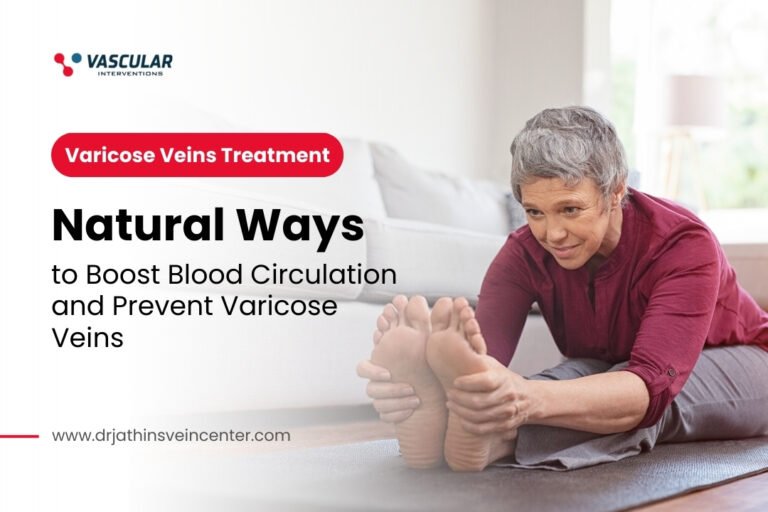
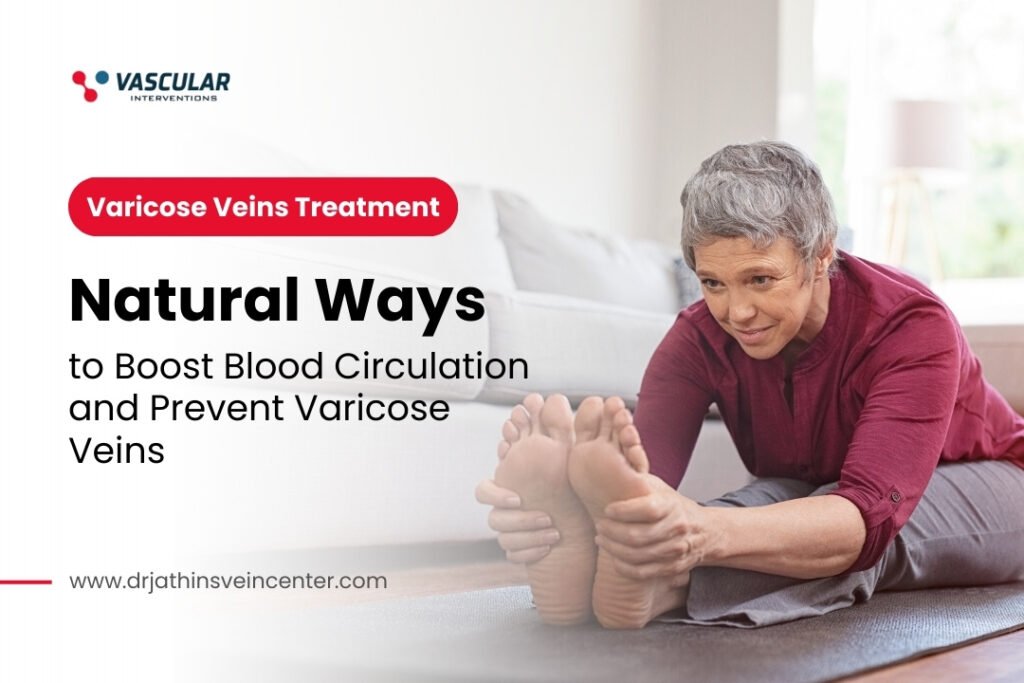
- Leg stretching while sitting or lying down
These movements activate leg muscles and support healthy vein function.
8. Reduce Long Hours of Sitting or Standing
If your work requires long hours of sitting or standing, you need to be extra careful about your circulation.
You should:
- Take short walking breaks whenever possible
- Shift your body weight frequently
- Stretch your legs at least once every hour
These habits prevent blood from pooling in your legs and reduce the risk of varicose veins.
Can Natural Methods Prevent Varicose Veins Completely?
It is important to understand the role of natural methods in varicose vein prevention.
Natural lifestyle measures are very effective when followed early. They help by:
- Improving blood circulation in the legs
- Preventing varicose veins in the early stages
- Reducing symptoms such as pain, swelling, heaviness, and leg fatigue
However, once varicose veins become clearly visible or start causing persistent discomfort, natural remedies alone are usually not sufficient.
At this stage, the veins have already undergone structural changes that require medical evaluation.
A timely consultation with a vascular surgeon in Mumbai helps confirm the severity of the condition and prevents future complications such as skin changes, ulcers, or clot formation.
Early medical guidance always leads to better and simpler treatment outcomes.
When Should You Consult a Vein Specialist?
You should not ignore ongoing leg symptoms, especially if they start affecting your daily comfort or routine.
Consulting a varicose veins doctor nearby at the right time can prevent the condition from worsening.
You should seek medical advice if you notice:
- Bulging or twisted veins on your legs
- Persistent leg pain, heaviness, or fatigue
- Swelling that does not reduce even after rest
- Skin darkening, itching, or irritation around the ankles
Early diagnosis helps identify the exact cause of the problem and allows for simpler, safer, and more effective varicose veins treatment. Timely medical care can prevent long-term complications and improve your quality of life.
Conclusion
Healthy blood circulation is the foundation of healthy veins.
Simple daily habits like staying active, eating the right foods, maintaining a healthy weight, and avoiding long periods of sitting or standing can play an important role in protecting your legs.
Natural methods work best when started early. They help improve blood circulation, reduce discomfort, and slow the progression of varicose veins.
However, if symptoms continue or veins become visible, it is important to get a proper medical evaluation from a vascular expert.
If you are in Mumbai and looking for an experienced varicose veins specialist in Mumbai, consulting Dr Jathin can help you get the right diagnosis and personalised varicose veins treatment.
Early consultation with expert allows timely care, prevents complications, and helps you maintain long-term vein health and an active, comfortable lifestyle.