
Many people think varicose veins appear suddenly.
In reality, they usually develop slowly over time due to poor blood circulation in the legs.
Long hours of sitting, standing, lack of movement, and unhealthy daily habits can put extra pressure on your leg veins. Gradually, this pressure can weaken the veins and cause them to become enlarged and visible. These swollen veins are commonly known as varicose veins.
The good news is that small lifestyle changes can help reduce your risk.
Your morning routine plays an important role in maintaining healthy blood circulation. Simple habits like stretching, walking, staying hydrated, and moving your legs early in the day can support better blood circulation in the legs and reduce pressure on your veins.
In this article, you will learn 7 simple morning habits that can help prevent varicose veins and keep your leg veins healthy.
These easy daily habits can support better circulation and help lower your chances of developing varicose veins in the legs over time.
1. Start Your Day With Leg Stretches
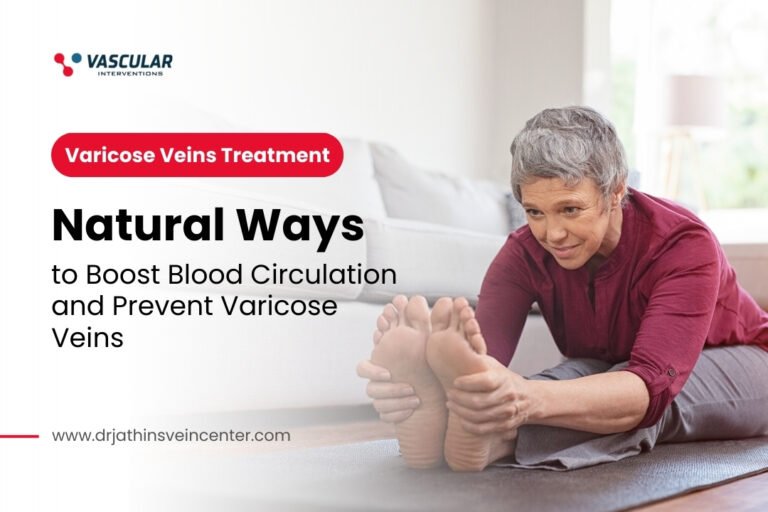
After a full night of sleep, your leg muscles are relaxed and circulation is slower. Doing a few simple stretches in the morning helps your muscles wake up and get the blood moving again.
You can do easy movements like calf stretches, hamstring stretches, or ankle rotations. These small movements help your leg muscles push blood back toward the heart.
Doing this daily can help reduce pressure in the veins and may lower the chances of developing varicose veins in legs.
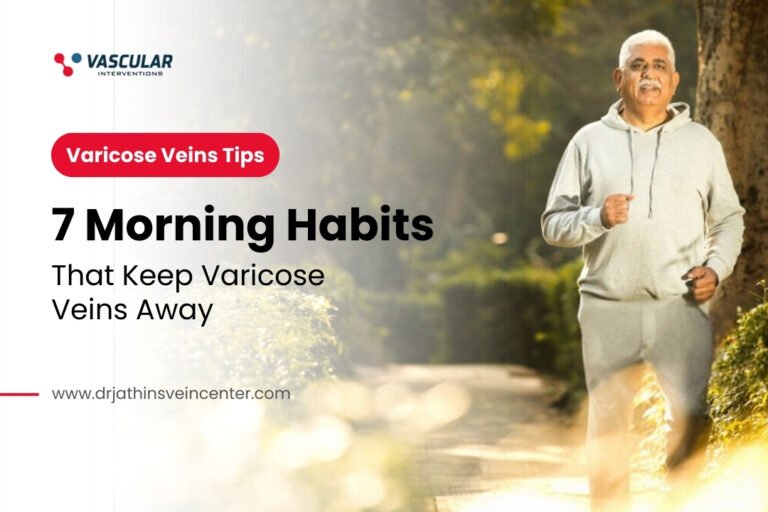
2. Take a Short Morning Walk
A short walk in the morning can do a lot for your leg health.
Walking activates your calf muscles, which help pump blood upward instead of letting it collect in the veins. Even a 15 to 20 minute walk is enough to improve circulation.
Making this a daily habit can help keep your veins healthy and reduce the risk of varicose veins in legs.
3. Elevate Your Legs for a Few Minutes
If you wake up with heavy or tired legs, try elevating them for a few minutes.
Lying down and raising your legs slightly above heart level helps blood flow back toward the heart more easily. This reduces pressure inside the veins.
Over time, this simple habit can help prevent varicose veins in legs from developing.
4. Stay Hydrated After Waking Up
Drinking a glass of water in the morning helps your body restart after hours of sleep.
When you are dehydrated, blood flow can slow down and put more strain on your veins. Staying hydrated helps your circulation work better.
Good hydration supports overall vein health and may help reduce the chances of developing varicose veins in legs.
5. Avoid Sitting Too Long
Many people start their morning by sitting for long periods while checking their phone or working.
When you sit for too long, blood flow in the legs slows down. Over time, this can increase pressure in the veins and contribute to varicose veins in legs.
Try to move around regularly and avoid staying in one position for too long.
6. Wear Compression Stockings
If you already feel heaviness, swelling, or visible veins, compression stockings may help.
They gently support your leg veins and help blood move upward toward the heart. This reduces pressure in the veins and improves circulation.
For people noticing the early signs of varicose veins, compression stockings can help manage symptoms and slow down the condition.
However, if the veins become painful, very swollen, or the discomfort keeps increasing, it is important to consult a varicose veins specialist. A specialist can properly evaluate the condition and guide you on the right varicose veins treatment if needed.
7. Eat a Fiber-Rich Breakfast
What you eat in the morning also affects your vein health.
A fiber-rich diet helps prevent constipation, which can increase pressure inside the abdomen and affect the veins in your legs.
Including fruits, vegetables, oats, and whole grains in your breakfast can support healthy circulation and reduce the chances of varicose veins in legs.
When Should You Consult a Varicose Veins Doctor?
Many people ignore the early symptoms of vein problems because they seem minor at first.
However, noticing the early signs of varicose veins and seeking medical advice at the right time can prevent the condition from getting worse.
You should consider consulting a varicose veins specialist if you notice symptoms such as:
- Visible varicose veins in legs that appear twisted or bulging
- Persistent heaviness or aching in the legs
- Swelling in the feet or ankles
- Burning or throbbing pain in the veins
- Skin discoloration or itching around the affected area
These symptoms may indicate that the veins are not functioning properly and blood is not flowing efficiently.
A proper evaluation by a vein specialist can help identify the cause and determine whether you need medical care or varicose veins treatment. Early consultation with Varicose Veins Expert often allows the condition to be managed more easily and helps prevent complications in the future.
Conclusion
Healthy veins often depend on small habits you follow every day. Simple morning routines like stretching your legs, walking, staying hydrated, and avoiding long periods of sitting can help support good circulation and keep your veins healthy.
These habits may help reduce the chances of developing varicose veins in legs and keep your legs feeling lighter throughout the day.
However, if you start noticing symptoms like visible veins, swelling, or persistent discomfort, it may be the early signs of varicose veins. Ignoring these symptoms can allow the condition to gradually worsen.
Consulting a varicose veins specialist at the right time can help you understand the condition and explore the most suitable varicose veins treatment if needed.
Taking care of your veins today can help you avoid bigger problems in the future.